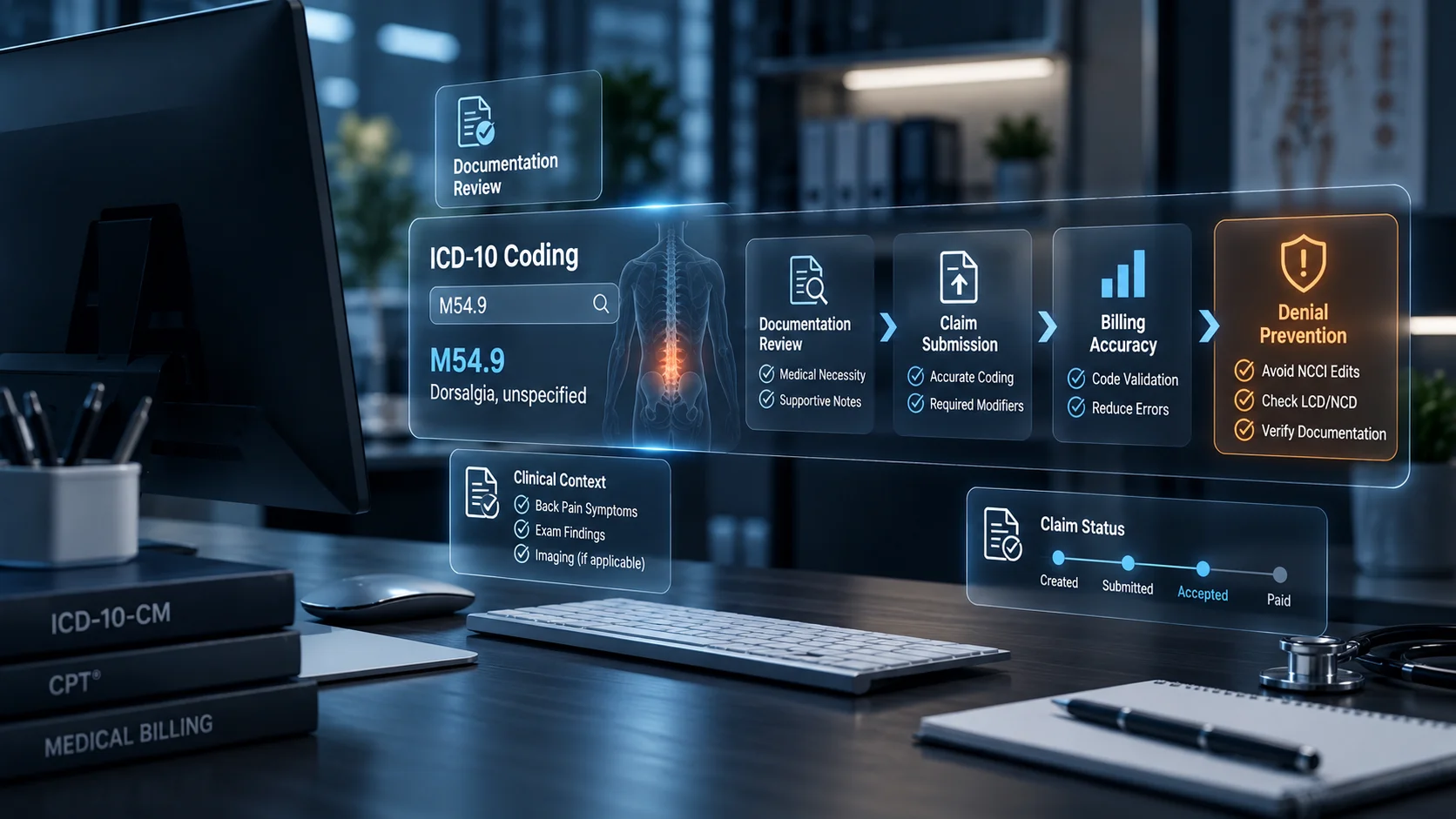
Running a small medical practice in 2026 is increasingly challenging. One of the biggest factors affecting profitability is medical billing.
Medical billing for small practices is not just about submitting claims. It directly impacts how fast you get paid, how much revenue you collect, and how much time your staff spends on administrative work instead of patient care.
This guide explains what medical billing is, the common challenges small practices face, and how the right medical billing services and RCM solutions can significantly increase revenue for small practices.
What Is Medical Billing and Why It Matters for Small Practices
Medical billing involves translating healthcare services into standardized codes, submitting claims, following up on unpaid claims, and collecting payments.

For small practices, accuracy in billing is vital because margins are thin and errors costly.
A single mistake, such as an incorrect code, a missing modifier, or a late submission, can lead to:
- Claim denials
- Payment delays
- Lost revenue
- Increased administrative burden
Unlike large healthcare organizations, small practices often lack dedicated billing departments. Front-desk staff or a small internal team typically handle billing tasks, which increases the risk of errors.
This is why effective medical billing services are important for maintaining predictable and sustainable revenue.
Common Medical Billing Challenges Small Practices Face
Small practices face unique billing challenges that directly affect cash flow and long-term growth.

1. High Claim Denial Rates
One of the most common issues is frequent claim denials. Denials occur due to:
- Incorrect or outdated CPT/ICD-10 codes
- Missing documentation
- Eligibility errors
- Authorization issues
Without proper denial management services, denied claims often go unworked, resulting in permanent revenue loss.
2. Limited Staff and Resources
Most small practices don’t have the budget to hire experienced billers or coders. Staff members are often multitasking, which increases the chance of billing mistakes.
3. Constantly Changing Payer Rules
Insurance requirements change frequently. Keeping up with payer policies, coding updates, and compliance standards is time-consuming and complex.
4. Delayed Payments
Slow claim submission, lack of follow-ups, and inefficient workflows can stretch reimbursement timelines from weeks to months that can hurt cash flow.
5. Inaccurate Medical Coding
Without trained coders, practices may undercode or overcode services. This leads to:
- Reduced reimbursements
- Compliance risks
- Higher audit exposure
How Medical Billing Services Improve Revenue Cycle Management
Revenue Cycle Management (RCM) covers the entire financial process. From patient registration to final payment collection.
Professional RCM billing services help small practices improve every stage of the revenue cycle.

Key Ways RCM Solutions Help:
- Accurate Charge Capture
Ensures every service provided is properly documented and billed. - Clean Claim Submission
Claims are submitted correctly the first time, reducing denials. - Faster Reimbursements
Electronic submissions and proactive follow-ups speed up payments. - Denial Prevention & Management
Denials are analyzed, corrected, and resubmitted quickly. - Improved Patient Collections
Clear statements and follow-ups reduce outstanding balances.
With optimized RCM solutions for small practices, revenue becomes more predictable and easier to manage.
Benefits of Outsourcing Medical Billing for Small Practices
More small practices are choosing medical billing outsourcing instead of managing billing in-house, and for good reason.
1. Reduced Operating Costs
Outsourcing eliminates the need to hire, train, and manage billing staff. There are no employee benefits, sick days, or turnover costs.
2. Access to Certified Experts
Professional medical billing companies employ certified coders and billing specialists who stay updated with payer regulations and coding changes.
3. Lower Denial Rates
Experienced billers use proven workflows and denial management services to reduce claim rejections.
4. Faster Cash Flow
Outsourced billing teams submit claims quickly and follow up aggressively on unpaid claims.
5. Better Focus on Patient Care
Doctors and staff can focus on patients instead of chasing payments and fixing billing errors.
For many practices, outsourcing transforms billing from a pain point into a revenue driver.
In-House vs Outsourced Medical Billing: Which Is Better?
Choosing between in-house and outsourced billing depends on your practice’s size, volume, and goals.

In-House Medical Billing
Pros:
- Direct control over billing processes
- Immediate access to billing staff
Cons:
- Higher staffing and training costs
- Increased error risk
- Difficulty keeping up with payer changes
Outsourced Medical Billing
Pros:
- Lower overhead
- Expert billing and coding support
- Scalable services as your practice grows
- Advanced reporting and analytics
Cons:
- Requires choosing a reliable partner
For most small practices, medical billing outsourcing offers better ROI, fewer errors, and more consistent revenue.
How to Choose the Right Medical Billing Company
Not all medical billing companies are the same. Choosing the wrong partner can create more problems than it solves.

What to Look For:
- Experience with Small Practices
Ensure the company understands the challenges of smaller healthcare providers. - Certified Coders & Billers
Ask if they offer certified professionals and if they outsource medical coding to specialists. - Strong Denial Management
A good partner provides proactive denial management services, not just claim submission. - Transparent Pricing
Avoid hidden fees. Clear pricing helps with budgeting. - Compliance & Security
Ensure HIPAA compliance and secure data handling. - Clear Communication & Reporting
Regular performance reports and dedicated account support are essential.
The right billing partner should feel like an extension of your practice, not just a vendor.
Frequently Asked Questions About Medical Billing for Small Practices
Medical billing helps small practices by reducing errors, preventing denials, accelerating payments, and ensuring all services are properly reimbursed. Professional billing leads to higher collections and better cash flow.
The benefits of outsourcing medical billing include lower costs, fewer claim denials, faster reimbursements, access to experts, and reduced administrative workload.
Common medical billing mistakes include incorrect coding, missing documentation, eligibility errors, late claim submission, and lack of follow-up on denied claims.
Medical billing costs for small practices typically range from a percentage of collections or a flat monthly fee. Costs depend on claim volume, specialty, and services included.
Practices can improve revenue cycle management by using professional RCM billing services, improving documentation, verifying eligibility, and implementing effective denial management.
Final Thoughts: Turn Medical Billing into a Growth Tool
In 2026, small practices can no longer afford inefficient billing processes. Medical billing directly affects revenue, compliance, and long-term sustainability.
By investing in professional medical billing services, using RCM solutions for small practices, and choosing the right outsourcing partner, small practices can:
- Focus more on patient care
- Reduce denials
- Improve cash flow
- Lower administrative stress
Ready to Improve Your Medical Billing?
If you’re looking for reliable, transparent, and expert medical billing services designed specifically for small practices, Kaizen Medical Billing can help.
👉 Learn more about our Medical Billing Services
👉 Explore our Illinois Medical Billing Services for local practices
Let your billing work for you, not against you.