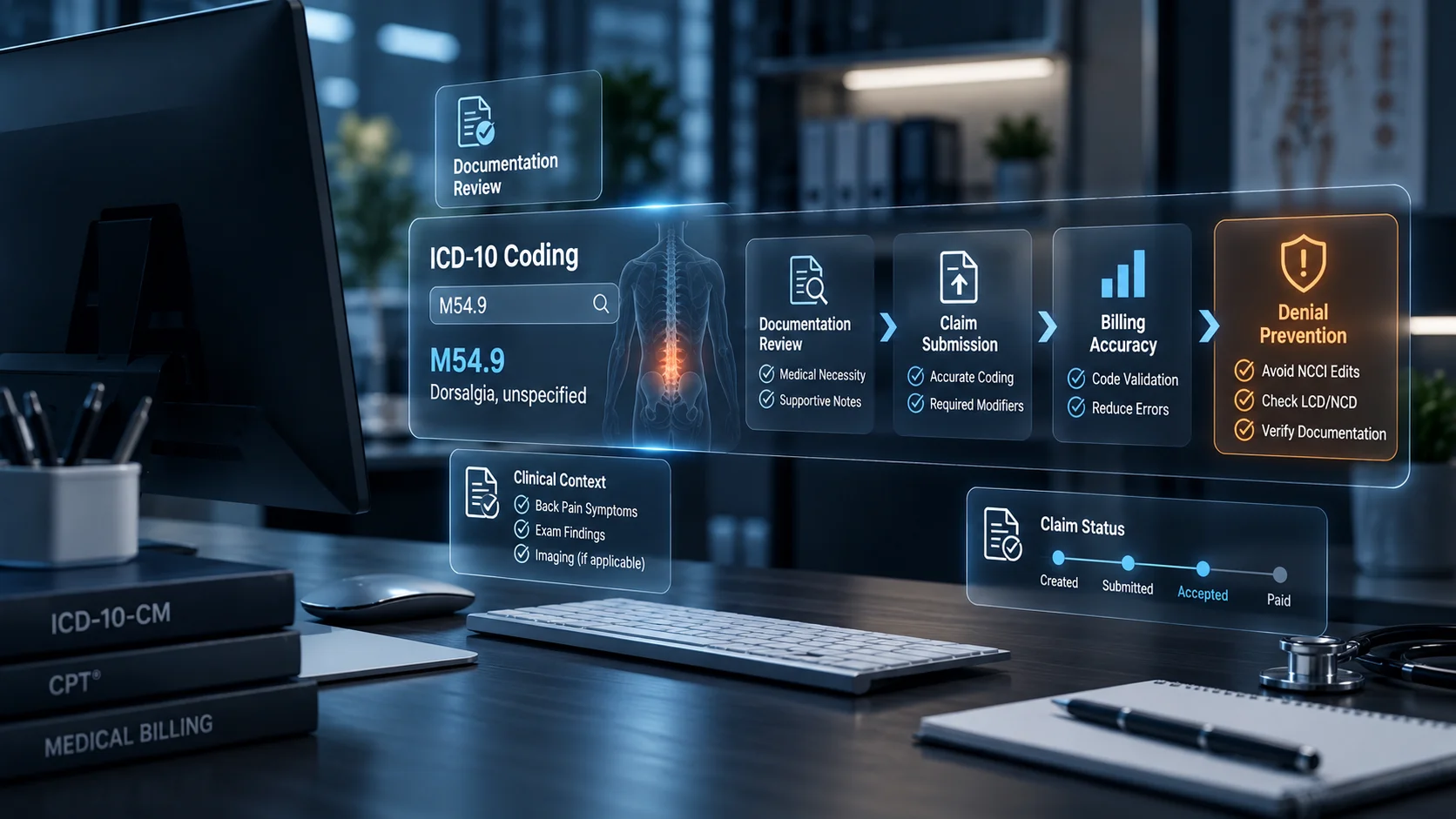
For many small medical practices, billing is one of the most stressful parts of running a healthcare business. Claims get denied, payments are delayed, staff feel overwhelmed, and revenue becomes unpredictable.
This is why medical billing outsourcing has become a practical solution for small practices in 2026.
Instead of managing billing internally, many providers now choose to outsource medical billing to specialized companies that handle coding, claims, follow-ups, and revenue cycle management more efficiently.
In this guide, we’ll explain what billing outsourcing is, its key benefits, how much it costs, and when it truly makes sense for small practices.
What Is Medical Billing Outsourcing?
Billing outsourcing is the process of hiring a third-party company to manage all or part of your billing and revenue cycle operations.

Instead of submitting claims in-house, a professional billing partner handles tasks such as:
- Medical coding and charge entry
- Claim submission to insurance payers
- Payment posting and reconciliation
- Denial management and appeals
- Patient billing and collections
- Reporting and revenue analysis
Most medical billing companies use certified billers and coders, advanced billing software, and proven workflows to reduce errors and speed up reimbursements.
For small practices, outsourcing turns billing into a structured, predictable process rather than a daily struggle.
Key Benefits of Outsourcing Medical Billing
The decision to outsource is usually driven by a combination of financial, operational, and staffing challenges. Below are the most important benefits of outsourcing medical billing for small practices.
1. Reduced Claim Denials
Effective revenue cycle management starts with a professional billing team. These experts ensure clean claim submission by applying their knowledge of payer rules, coding updates, and documentation requirements.
As a result, practice experience:
- Fewer claim rejections
- Faster approvals
- More consistent reimbursements
Practices gain even more value when they combine this with strong RCM billing services and denial management processes.
2. Lower Administrative Burden
Billing takes time. When handled in-house, staff must balance billing with front-desk duties, patient communication, and scheduling.
Outsourcing medical billing allows your team to:
- Spend less time fixing billing errors
- Focus on patient care
- Reduce burnout
3. Access to Billing and Coding Experts
Small practices often can’t afford certified coders or experienced billers. With revenue cycle management outsourcing, you gain access to:
- Certified medical coders
- Experienced billing specialists
- Up-to-date compliance knowledge
This expertise directly translates into better collections.
4. Faster and More Predictable Cash Flow
Outsourced billing teams submit claims quickly, track unpaid claims, and follow up consistently.
This leads to:
- Shorter payment cycles
- Improved monthly revenue stability
- Better financial planning
5. Scalability as Your Practice Grows
As patient volume increases, outsourced billing scales easily—without hiring, training, or restructuring your internal team.
How Much Does Billing Outsourcing Cost?
One of the most common questions is about the cost of billing outsourcing. In most cases, pricing falls into one of the following models:

Percentage of Collections
- Typically ranges from 3% to 8%
- Cost is tied directly to performance
- Common for small practices
Flat Monthly Fee
- Fixed cost regardless of collections
- Easier budgeting
- Best for predictable claim volumes
Per-Claim Pricing
- Less common
- Can become expensive for high-volume practices
Is Outsourcing Expensive?
While outsourcing has a cost, it often replaces:
- Staff salaries
- Training expenses
- Billing software costs
- Lost revenue from errors and denials
For most practices, outsourcing results in higher net revenue, not higher expenses.
In-House vs Outsourced Medical Billing: A Comparison
Understanding the difference between in-house and outsourced billing helps practices make informed decisions.
In-House Medical Billing
Pros:
- Direct control over daily billing tasks
- Immediate access to staff
Cons:
- Higher staffing and training costs
- Increased risk of errors
- Difficulty keeping up with payer changes
- Limited denial management expertise
Outsourced Medical Billing
Pros:
- Lower overhead
- Access to experienced professionals
- Better compliance and reporting
- Stronger denial management
Cons:
- Requires choosing a reliable partner
For many small practices, the benefits of outsourcing clearly outweigh the limitations—especially when revenue growth is a priority.
When Should Small Practices Outsource Medical Billing?
Not every practice outsources at the same time. However, there are clear signs that indicate when to outsource medical billing.

You Should Consider Outsourcing If:
- Claim denial rates are increasing
- Payments are delayed beyond 30–60 days
- Staff spend more time on billing than patients
- You lack certified coding expertise
- Revenue is inconsistent month to month
- Practice growth is stalled due to admin work
If you’re asking, “Is billing outsourcing worth it?”, the answer is often yes when billing becomes a bottleneck to growth.
How to Choose the Right Billing Outsourcing Company
Choosing the right partner is critical. Not all medical billing companies provide the same level of service.

What to Look For in a Billing Partner:
- Experience with Small Practices
Small practices have different needs than large healthcare systems. - Comprehensive RCM Services
Look for end-to-end revenue cycle management outsourcing, not just claim submission. - Certified Coders and Billers
Coding accuracy directly affects reimbursements and compliance. - Strong Denial Management
Ask how denied claims are tracked, corrected, and appealed. - Transparent Pricing
Avoid hidden fees or unclear contracts. - HIPAA Compliance and Security
Data protection and regulatory compliance are non-negotiable.
A good outsourcing partner should improve performance, not create new challenges.
FAQs
The main benefits include fewer claim denials, faster reimbursements, lower administrative workload, access to experts, and improved cash flow.
Costs usually range from a percentage of collections or a flat monthly fee, depending on claim volume and services included.
For most small practices, outsourcing is worth it because it improves revenue, reduces errors, and allows staff to focus on patient care.
Practices should outsource when billing errors increase, payments slow down, staff feel overwhelmed, or growth is limited by administrative tasks.
Yes. RCM billing services and revenue cycle management outsourcing improve every stage of the billing process, from coding to collections.
Final Thoughts:
Medical billing outsourcing is no longer just an option for large healthcare organizations. In 2026, it’s a strategic decision that helps small practices stay competitive, compliant, and financially stable.
By outsourcing billing, practices can:
- Improve revenue collection
- Reduce claim denials
- Lower administrative stress
- Focus on quality patient care
When done correctly, outsourcing transforms billing into a revenue-supporting system, not a daily frustration.
Ready to Outsource Your Medical Billing?
If you’re exploring reliable and transparent medical billing services for small practices, Kaizen Medical Billing offers customized outsourcing solutions designed to improve revenue and simplify operations.
👉 Learn more about our Medical Billing Services
👉 Explore our Illinois Medical Billing Services for local practices
Let experts handle your billing, so you can focus on your patients.