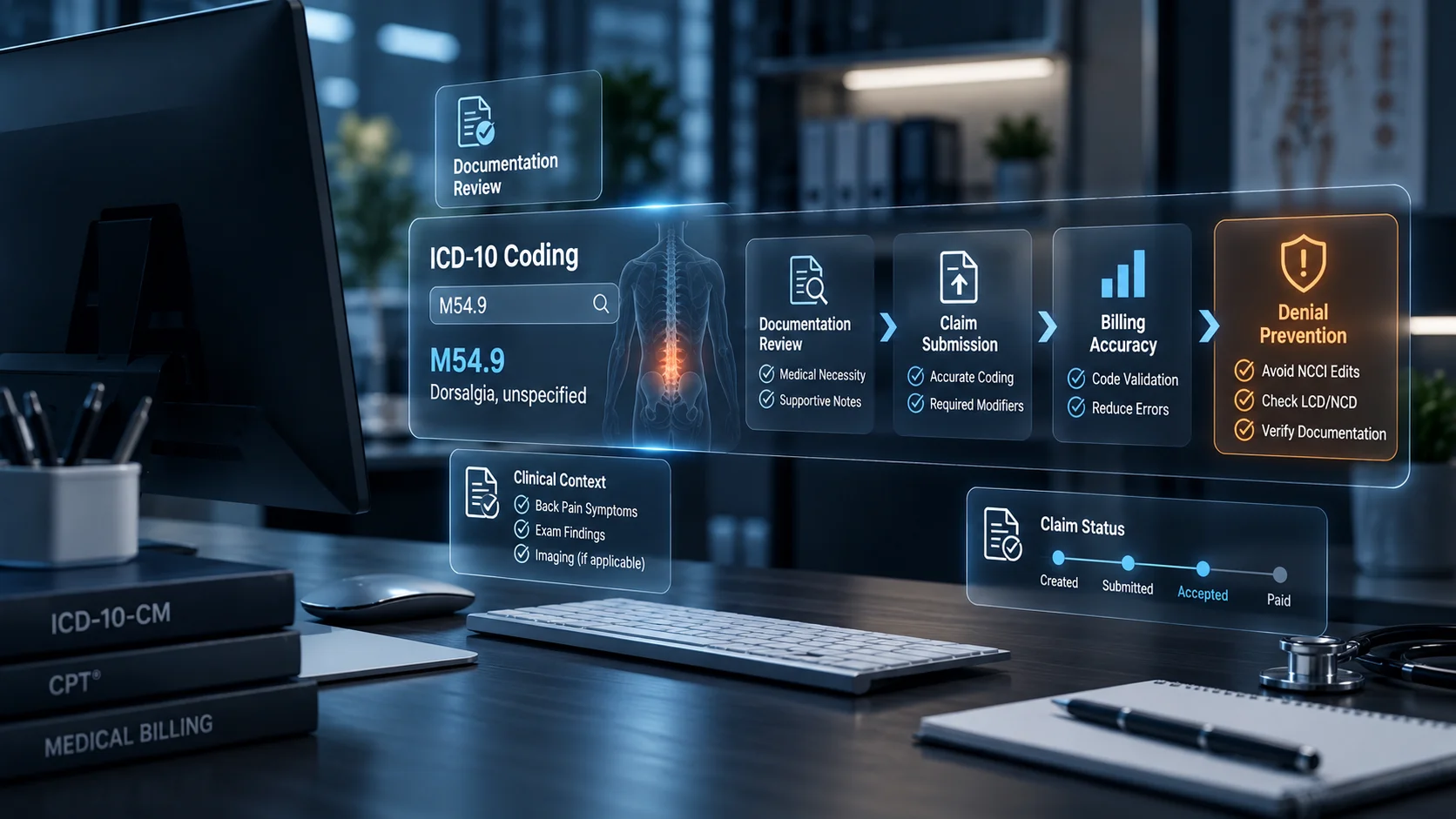
For nurse practitioners, becoming an in-network provider can open the door to more insured patients and create a stronger foundation for practice growth. But getting there involves more than having an active license and a National Provider Identifier (NPI). Insurance companies need to verify your professional credentials, review your information, and complete their own enrollment and network processes.
This is where nurse practitioner credentialing services can make the process easier. Instead of spending hours managing payer portals, documents, applications, and follow-ups, NPs can work with a credentialing team that understands the process from start to finish.
Why In-Network Status Matters For Nurse Practitioners
Being in-network with an insurance payer means you have completed that payer’s requirements for participation and can generally provide covered services to its members under the applicable network and billing arrangements.
For a growing NP practice, network participation can make it easier for patients with commercial insurance or government coverage to access your services. It may also reduce the administrative uncertainty that comes with trying to manage payer enrollment on your own.
However, becoming in-network is not a single universal approval. Each health plan can have its own application, verification, contracting, and enrollment requirements.
Nurse Practitioner Credentialing Is More Than Filling Out A Form
Credentialing involves verifying important information about your professional background. Depending on the payer and practice situation, this may include your state license, education, training, work history, certifications, malpractice coverage, NPI information, practice location, and other professional details.
The process can become complicated when information is inconsistent between applications. A small difference in a practice address, taxonomy, license record, or provider name can create additional questions or delays.
That is why accurate information matters from the beginning. A complete credentialing file gives payers the information they need and can reduce unnecessary back-and-forth.
CAQH: An Important Part Of The Credentialing Process
Many health plans use CAQH’s provider data system to collect and access provider information. For example, Anthem states that it uses CAQH ProView for credentialing, while Highmark also identifies CAQH as its preferred method for initial professional credentialing.
But there is an important point for nurse practitioners to understand: completing CAQH does not automatically make you in-network with every insurance company.
CAQH helps centralize your professional information, but individual payers still perform their own credentialing and enrollment processes. Your profile must also remain accurate and properly attested when required.
A credentialing service can help review your CAQH information, identify missing details, maintain documentation, and support payer submissions.
Commercial Insurance Credentialing For NPS
Commercial payer enrollment is often a major goal for nurse practitioners who are building or expanding a private practice.
Depending on the practice location and specialty, an NP may want to pursue participation with several commercial health plans. Each payer may have different requirements, forms, portals, contracts, and processing procedures.
Applying to multiple payers manually can quickly become an administrative burden. A credentialing team can organize applications, track submission dates, monitor outstanding requests, and follow up with payer representatives.
This organized approach is especially useful when an NP is opening a new practice, joining an existing group, adding a new location, or expanding into another market.
Medicare And Medicaid Enrollment
For nurse practitioners who serve eligible Medicare or Medicaid patients, government payer enrollment may also be an important part of becoming ready to bill.
These processes have their own rules and enrollment requirements. In addition, Medicaid processes can vary by state. Keeping provider information consistent across enrollment records is therefore important.
Professional credentialing and enrollment support can help coordinate these requirements instead of leaving the NP to manage multiple systems independently.
The goal is not simply to submit paperwork. The goal is to make sure applications are complete, information is consistent, and enrollment progress is properly tracked.
What Can Cause Credentialing Delays?
Credentialing timelines can vary significantly by payer and provider situation. Some organizations publish timelines of several weeks or longer once all required information has been received.
Common issues that can slow the process include:
- Incomplete applications
- Missing supporting documents
- Expired licenses or certifications
- Incorrect practice information
- Outdated CAQH information
- Unresolved payer requests
- Delayed responses to credentialing teams
- Problems connecting an individual provider with the correct group or location
The key is to identify these issues early rather than discovering them after an application has already been submitted.
Ongoing Credentialing Is Just As Important
Credentialing does not necessarily end when an NP receives an approval. Professional information changes over time. Licenses are renewed, addresses can change, malpractice policies expire, and payer requirements may require additional updates or re-credentialing.
For example, Anthem states that failure to update CAQH information or provide requested documentation during the recredentialing process may result in administrative termination from its network.
Ongoing credentialing management helps practices keep track of important deadlines and maintain accurate provider information.
This can be especially valuable for busy nurse practitioners who would rather spend their time caring for patients than monitoring payer requirements.
How Kaizen Can Help Nurse Practitioners
At Kaizen Systems, credentialing is part of a broader approach to helping healthcare providers manage their revenue cycle. The company provides medical credentialing services alongside medical billing, compliance, consulting and revenue cycle management solutions.
For nurse practitioners, the credentialing process can be organized around the practical steps required to move from provider documentation to payer participation. This can include preparing credentialing information, supporting CAQH management, coordinating payer applications, monitoring application progress, and helping maintain credentialing requirements.
The benefit is simple: less administrative work for the provider and a more organized process for managing payer participation.
Get Started With Nurse Practitioner Credentialing
If you are a nurse practitioner preparing to open a practice, joining a medical group, expanding your services, or seeking additional insurance networks, credentialing should be part of your planning from the beginning.
A well-managed credentialing process can help you avoid preventable paperwork problems, stay organized across multiple payers, and move toward in-network participation with greater clarity.
Kaizen Systems provides medical credentialing and revenue cycle support for healthcare providers across the United States. If you are ready to take the administrative work off your plate, visit Kaizen Systems to learn more about credentialing services and how professional support can fit into your practice.