Joint pain, swelling, and morning stiffness can make everyday activities difficult. If these symptoms continue, a doctor may recommend rheumatology tests to determine whether an autoimmune condition or inflammatory disease is responsible. However, for people without health insurance, testing costs can be a major concern.
The good news is that some rheumatology blood tests are available at relatively affordable self-pay rates. Understanding the possible costs, common tests, and additional medical expenses can help you plan before visiting a healthcare provider.
How Much Do Rheumatology Tests Cost Without Insurance?
In the United States, the cost of rheumatology testing without insurance depends on the type of test, laboratory, location, and whether several tests are ordered together.
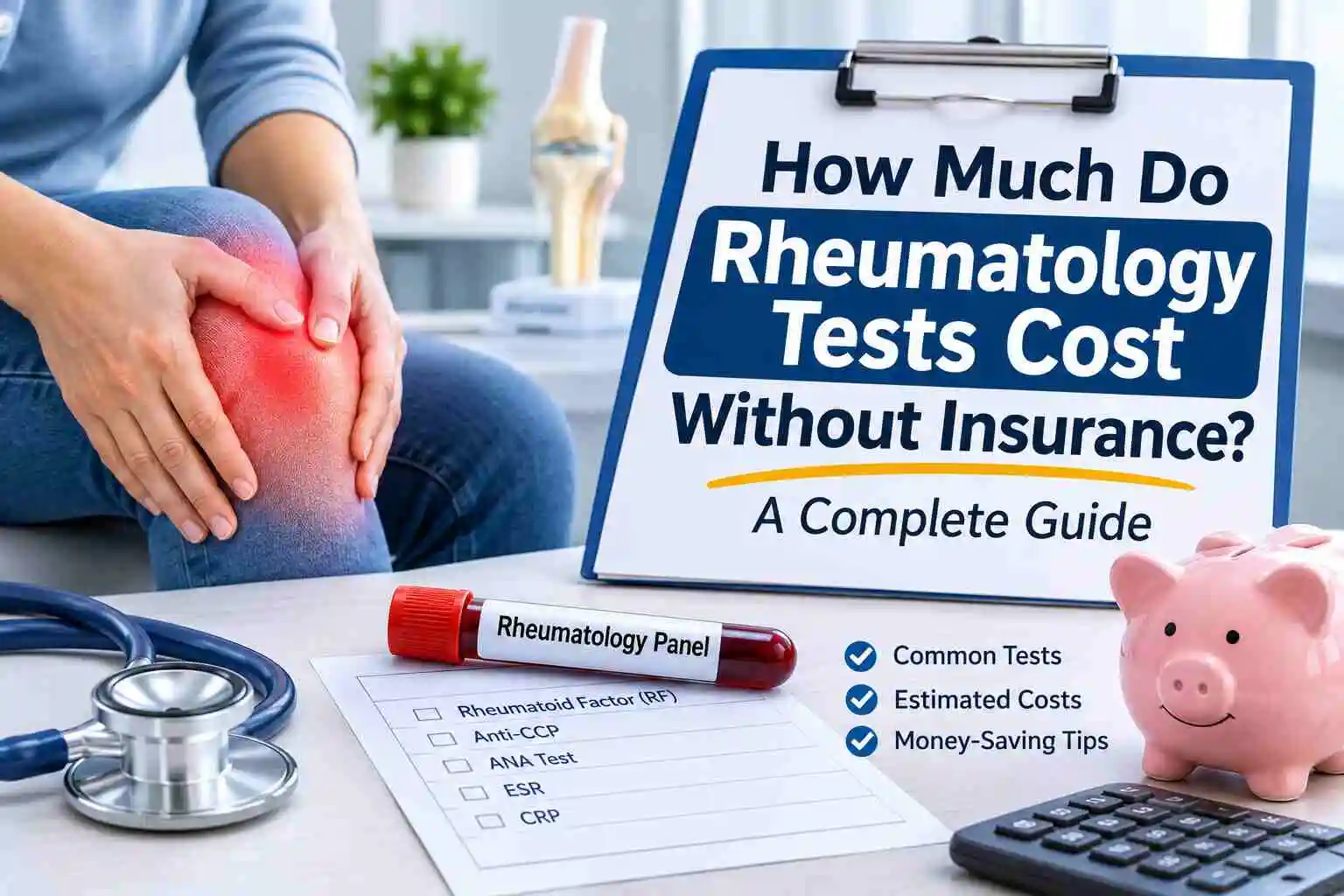
Individual blood tests may cost around $20 to $100 or more, while specialized rheumatoid arthritis panels can cost approximately $88 to $199 or more. For example, Labcorp lists its Rheumatoid Arthritis Test at $119, while Quest Health lists a rheumatoid arthritis panel at $88, with an additional physician service fee.
These prices are examples of advertised self-pay options, not fixed rates at every laboratory. Some facilities also charge separate fees for blood collection, physician orders, or consultations.
Common Rheumatology Blood Tests And Their Costs
A rheumatologist may recommend different blood tests depending on a patient’s symptoms and medical history. Here are some commonly used tests and their approximate self-pay prices.
- Rheumatoid Factor (RF): Often around 20–60. This test checks for rheumatoid factor, an antibody sometimes associated with rheumatoid arthritis.
- Anti-CCP Test: Often around 30–100. It looks for antibodies that can help identify rheumatoid arthritis, sometimes before significant joint damage develops.
- ANA Test: Often around 30–80. An antinuclear antibody test can help investigate certain autoimmune conditions, including lupus.
- ESR Test: Often around 15–40. The erythrocyte sedimentation rate measures a marker of inflammation in the body.
- CRP Test: Often around 25–50. C-reactive protein helps identify inflammation and monitor certain inflammatory conditions.
These are general planning estimates rather than guaranteed laboratory prices. Actual costs depend on the provider and testing arrangement.
How Much Does A Rheumatologist Visit Cost Without Insurance?
Blood testing is only one part of a rheumatology evaluation. Patients may also need an appointment with a rheumatologist, a specialist who diagnoses and treats conditions affecting the joints, muscles, and immune system.
An initial consultation may cost approximately 150–400 or more without insurance. Follow-up appointments may be less expensive, depending on the clinic and the complexity of care.
Additional expenses may include:
- X-rays or other imaging tests
- Ultrasound examinations
- Additional autoimmune blood tests
- Prescription medications
- Follow-up consultations
For this reason, patients should ask for an estimated total cost rather than focusing only on the price of one blood test.
What Factors Affect Rheumatology Testing Costs?
Several factors can change the final amount you pay.
1. Type of Laboratory: Hospital laboratories, independent testing facilities, and online self-pay services may offer different prices for similar tests.
2. Number of Tests: A doctor may order several tests to investigate symptoms. Ordering multiple tests can increase the total bill, although some providers offer combined panels.
3. Location: Healthcare prices vary between states, cities, and individual facilities.
4. Additional Fees: Blood collection, physician orders, consultations, and administrative charges may be added to the advertised test price.
5. Medical Complexity: Some patients require specialized autoimmune testing or additional diagnostic procedures, which can increase overall expenses.
How Can You Save Money On Rheumatology Tests?
If you do not have health insurance, a little research can help you manage your healthcare expenses.
- Ask laboratories about their self-pay or cash prices.
- Compare prices at independent laboratories and major testing providers.
- Request an itemized estimate before testing.
- Ask whether a combined testing panel is less expensive than separate tests.
- Check whether the quoted price includes blood collection and physician fees.
- Discuss medically necessary tests with your doctor before ordering additional screening.
Most importantly, do not skip recommended testing simply because of cost concerns. Discuss affordable testing options with your healthcare provider.
Why Accurate Rheumatology Medical Billing Matters
Rheumatology practices handle more than routine office visits. Their services may involve autoimmune laboratory testing, chronic disease management, medication monitoring, and expensive biologic infusions.
Accurate medical billing helps ensure that services are documented, coded, and submitted correctly. Errors involving laboratory charges, diagnosis codes, infusion services, or insurance authorizations can lead to delayed payments and claim denials.
For healthcare providers, working with an experienced medical billing partner can help improve claim accuracy, manage denials, and support a more organized revenue cycle.
Kaizen System provides specialized rheumatology medical billing and coding services, including prior authorization management, infusion billing, claim scrubbing, and denial resolution. These services help rheumatology practices manage complex billing requirements while focusing on patient care.
Final Thoughts
Rheumatology testing without insurance does not have to be a complete financial surprise. Comparing self-pay laboratory prices, understanding additional consultation fees, and requesting an upfront estimate can help patients make informed healthcare decisions.
For rheumatology practices, accurate coding, claim submission, and denial management are equally important for maintaining a healthy revenue cycle. The right medical billing support can make these administrative responsibilities easier to manage.
Frequently Asked Questions
1. Can I get rheumatology blood tests without insurance?
Yes. Many laboratories offer self-pay testing options. However, some tests require a physician’s order, so check the requirements before scheduling.
2. Is an ANA test enough to diagnose an autoimmune disease?
No. An ANA test alone cannot confirm an autoimmune disease. Doctors consider symptoms, medical history, examination findings, and other test results.
3. How much does a rheumatoid arthritis test cost without insurance?
A rheumatoid arthritis test may cost around 88–119 through certain advertised self-pay options. Prices vary depending on the laboratory, included tests, and additional fees.
4. Does a rheumatology test require a doctor’s order?
Requirements vary by test and state. Some self-pay services arrange a physician’s order, while others require patients to obtain one from their healthcare provider.